Youth Eco-Resilience: the Erasmus+ project connecting eight countries on climate adaptation
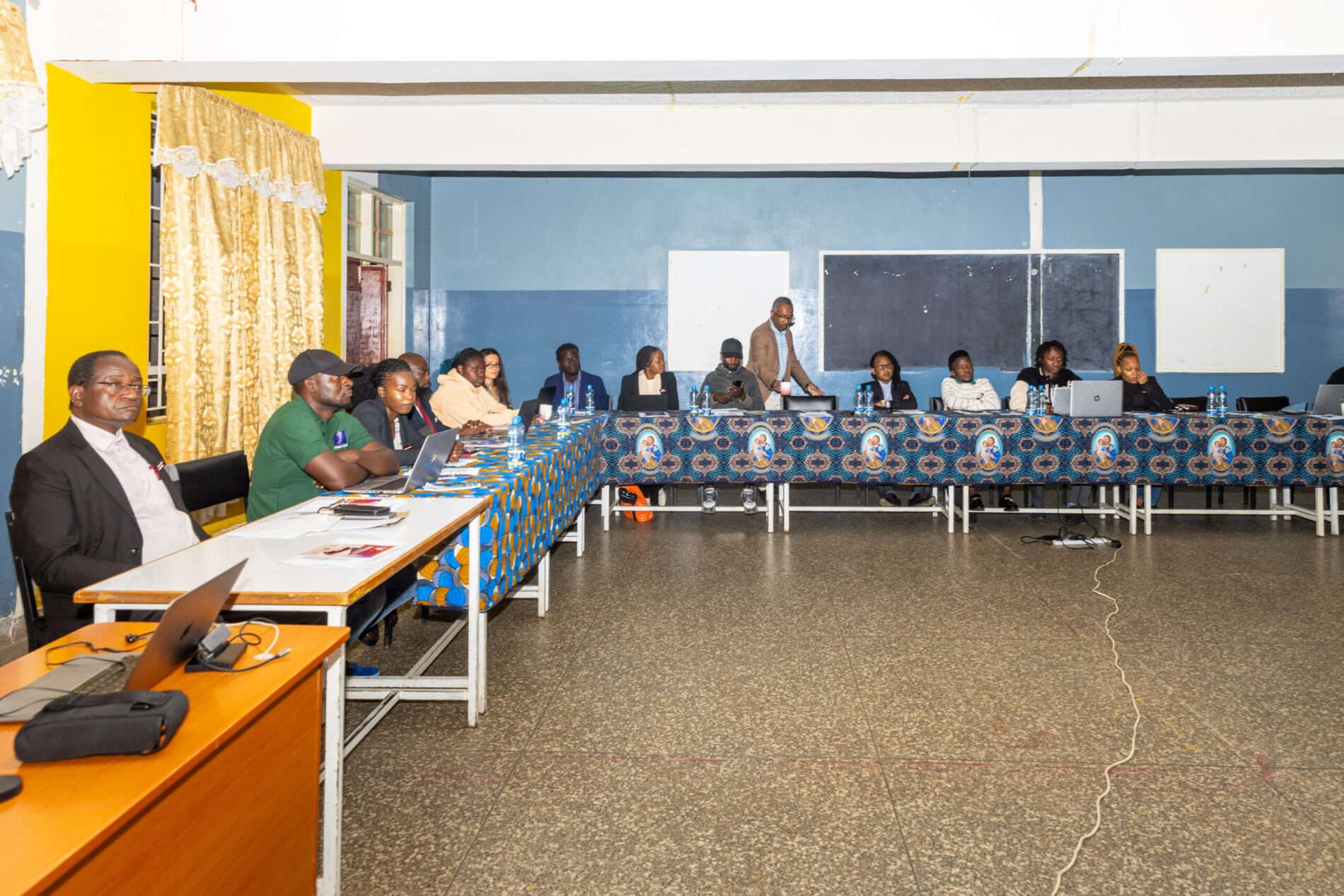
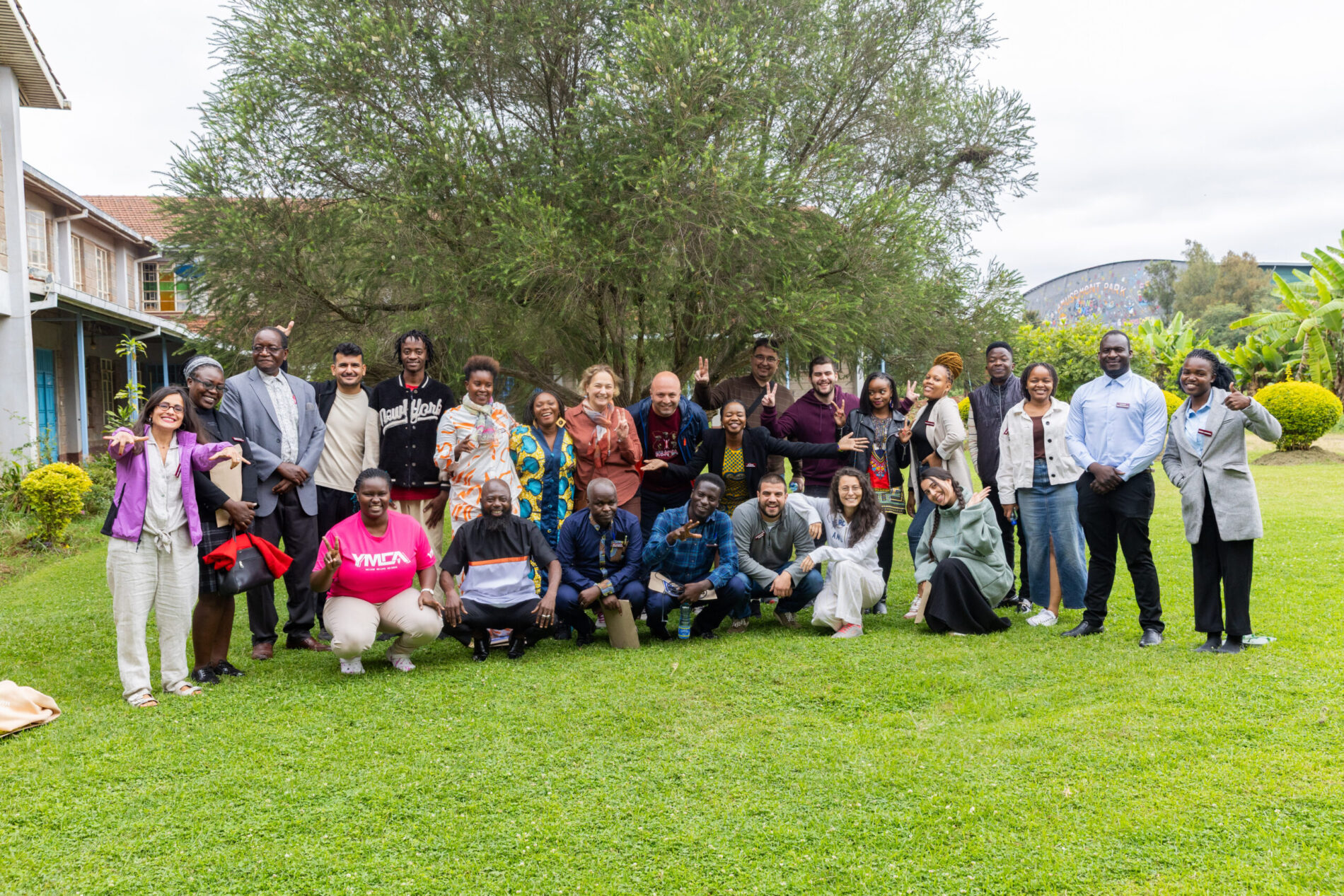
The international launch meeting of Youth Eco-Resilience (Y.E.R.), a project led by our association, took place in Nairobi in July 2025. Over seven days of work, the Kenyan capital brought together delegations from the eight partner countries: Italy, Greece, Germany, Sweden, Kenya, Tanzania, Ghana and Malawi.
The framework: Erasmus+ Virtual Exchanges
Y.E.R. is funded under Virtual Exchanges (VIRT-EXCH), the strand of the Erasmus+ programme dedicated to remote cooperation between young people in Europe and in third countries. The model provides for most activities — training, group discussion and co-design — to take place online, with a limited number of in-person meetings devoted to consolidating the partnership.
This approach addresses two needs: widening participation to young people who would struggle to access traditional mobility programmes, and limiting the environmental footprint of a project whose subject is the climate crisis. The Nairobi meeting was the first of the in-person moments set out in the work plan.
The venue and the composition of the partnership
Choosing Nairobi as the venue for the first meeting meant that the European delegations travelled to the African continent.
The partnership brings together youth and third-sector organisations working in the fields of education and the environment. Its mixed European and African composition reflects the design of the project: to place in dialogue contexts in which the effects of climate change appear with very different degrees of intensity and on very different timescales.
Activities during the meeting
The seven-day programme was organised around four strands of work:
· participatory mapping of vulnerabilities in the participants’ home territories;
· design of local interventions using design thinking methodology;
· training in climate advocacy and leadership, geared towards young people’s participation in decision-making processes;
· project management and digital communication skills, supporting the delivery and dissemination of national initiatives.
The visit to the YMCA centre in Kibera
One day was given over to a visit to the YMCA educational centre in Kibera, one of the largest informal settlements in East Africa. Meeting the centre’s students and staff allowed participants to observe at first hand the waste management and adaptation practices developed within the settlement.
Three points emerged from the exchange and were taken up in the work that followed: the need for environmental education programmes built around the local context, the value of solutions devised independently by communities, and the active role of young people in the areas most exposed to climate impacts.
Outcomes
The meeting closed with four operational outcomes:
1. a shared digital platform for collaboration between partners during the remote phases;
2. a six-month action plan for each participating country;
3. a set of training modules on climate leadership, adaptable to different national contexts;
4. a transnational mentorship scheme, pairing participants from different countries.